Drainage Procedure
- Home
- Drainage Procedure
Advanced Minimally Invasive Drainage Procedures
Drainage procedures are minimally invasive treatments used to remove abnormal collections of fluid, pus, blood, or infected material from the body. These procedures help relieve pain, reduce infection, improve organ function, and support faster recovery without major surgery.
At our center, we provide advanced image-guided drainage procedures performed by experienced interventional radiology specialists using ultrasound and CT guidance for maximum precision and safety.
What is a Drainage Procedure?
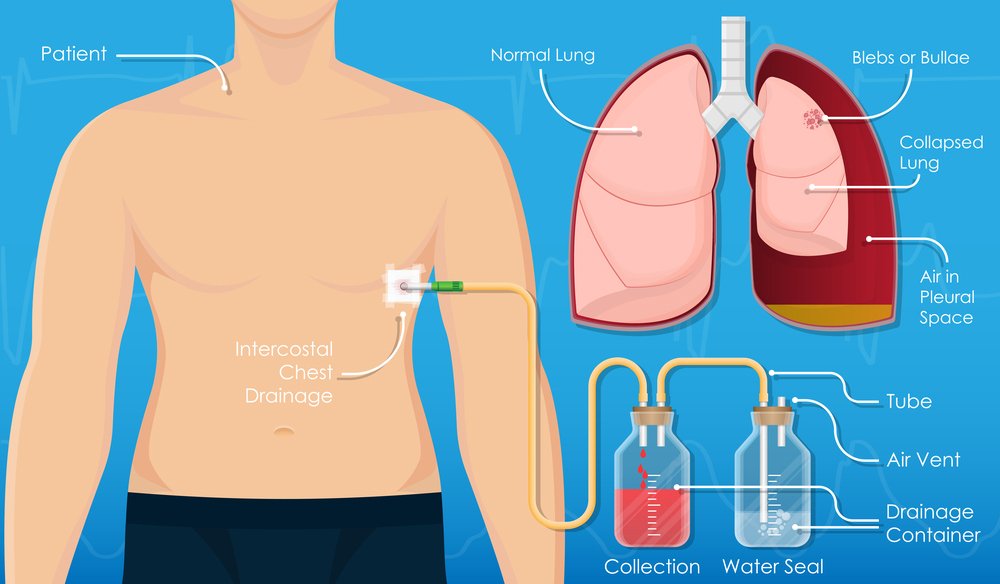
A drainage procedure involves placing a needle or small catheter into an abnormal fluid collection to remove the accumulated fluid safely.
These procedures are commonly performed for:
- Abscesses
- Infected fluid collections
- Pus accumulation
- Cysts
- Pleural effusion
- Abdominal collections
- Post-surgical fluid collections
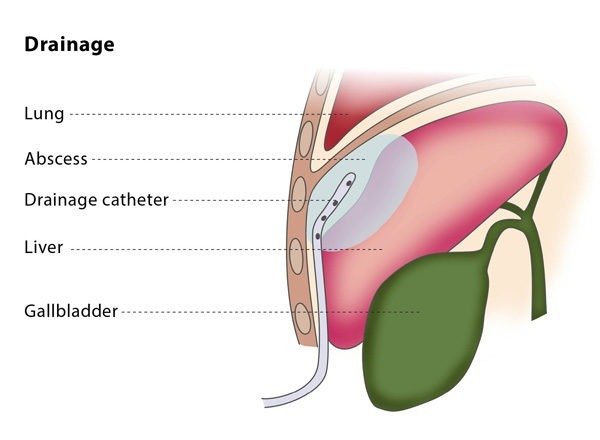
- Liver abscess
- Pancreatic collections
Drainage helps reduce pressure, infection, and discomfort while promoting healing.
Common Conditions Requiring Drainage
We perform drainage procedures for various medical conditions, including:
Abdominal & Pelvic Collections
- Liver abscess
- Pelvic abscess
- Infected abdominal fluid
Chest Fluid Collections
- Pleural effusion
- Empyema
Post-Surgical Collections
- Seroma
- Hematoma
- Infected post-operative collections
Organ-Related Collections
- Kidney abscess
- Pancreatic fluid collections
- Cyst drainage
Symptoms That May Need Drainage
- Fever and infection
- Severe pain or swelling
- Fluid accumulation
- Difficulty breathing
- Abdominal discomfort
- Redness and inflammation
- Persistent pus formation
- Delayed healing after surgery
Timely drainage can help prevent serious complications.
Benefits of Minimally Invasive Drainage Procedures
- No major surgery
- Minimal pain and scarring
- Faster recovery
- Short hospital stay
- Accurate image-guided treatment
- Reduced infection risk
- Quick symptom relief
- Faster return to daily activities
How is the Procedure Performed?
Step 1 – Clinical Evaluation & Imaging
The fluid collection is evaluated using imaging studies.
Step 2 – Local Anesthesia
The procedure area is numbed for patient comfort.
Step 3 – Needle or Catheter Placement
A small needle or drainage catheter is inserted precisely into the collection using imaging guidance.
Step 4 – Fluid Drainage
The fluid or pus is drained safely and may be sent for laboratory testing.
Step 5 – Recovery & Monitoring
Patients are monitored briefly and provided post-procedure care instructions.
Most procedures are minimally invasive and completed within a short duration.
Image-Guided Drainage Procedures
Our drainage procedures are performed under:
- Ultrasound Guidance
- CT Scan Guidance
- Fluoroscopy Guidance (when required)
Image guidance ensures accurate catheter placement while minimizing damage to surrounding tissues.
Recovery After Drainage Procedure
Recovery is usually smooth and quick. Patients may experience:
- Mild soreness near the procedure site
- Gradual symptom improvement
- Reduced swelling and pain
- Short observation period
- Early return to normal activities
Our team provides complete follow-up care and monitoring.
Why Choose Us?
- Experienced Interventional Radiology Specialists
- Advanced Image-Guided Technology
- Minimally Invasive Expertise
- Personalized Patient Care
- Safe & Accurate Procedures
- Focus on Faster Recovery & Comfort