
Biliary Tract Diseases
- Home
- Biliary Tract Diseases
Advanced Diagnosis & Minimally Invasive Treatment for Biliary Tract Diseases
Biliary tract diseases affect the bile ducts, gallbladder, and related structures responsible for carrying bile from the liver to the intestine. These conditions can lead to pain, infection, jaundice, and digestive problems if left untreated.
At our center, we provide advanced minimally invasive and image-guided treatments for biliary tract diseases with a focus on accurate diagnosis, effective relief, and faster recovery.
What is the Biliary Tract?
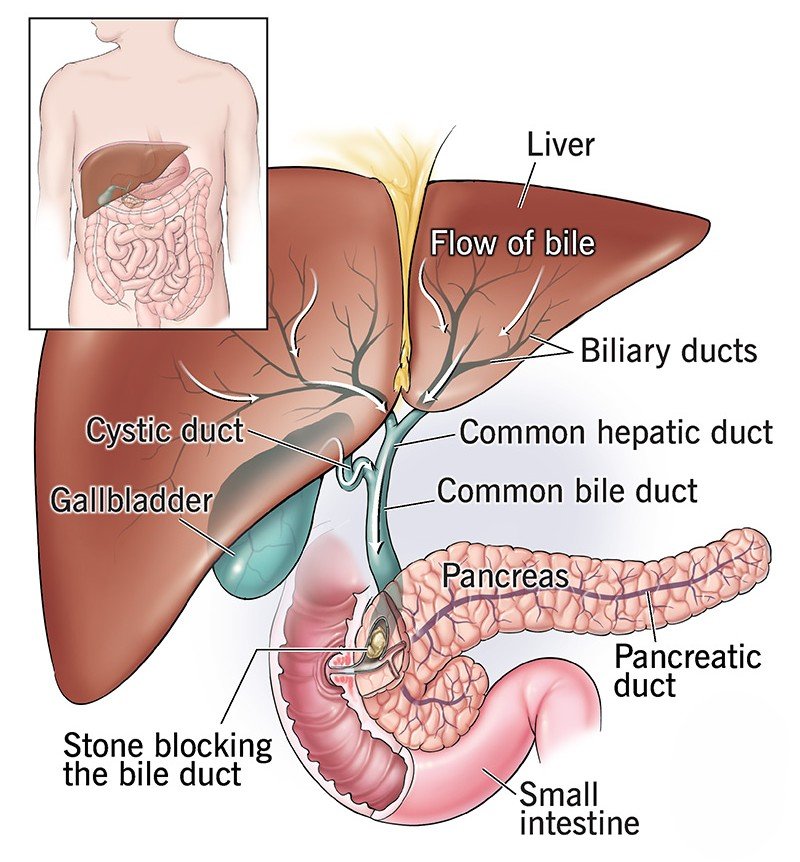
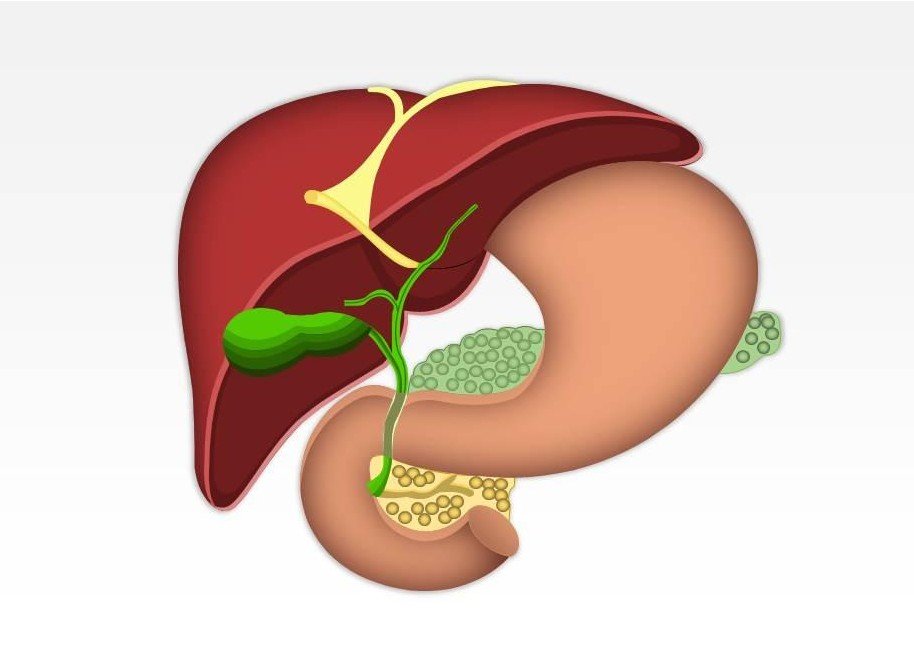
The biliary tract is a network of ducts that carries bile from the liver and gallbladder to the small intestine. Bile helps in digestion and absorption of fats.
Any blockage, infection, narrowing, or abnormality in these ducts can lead to serious health complications.
Common Biliary Tract Diseases
We diagnose and treat a wide range of biliary conditions, including:
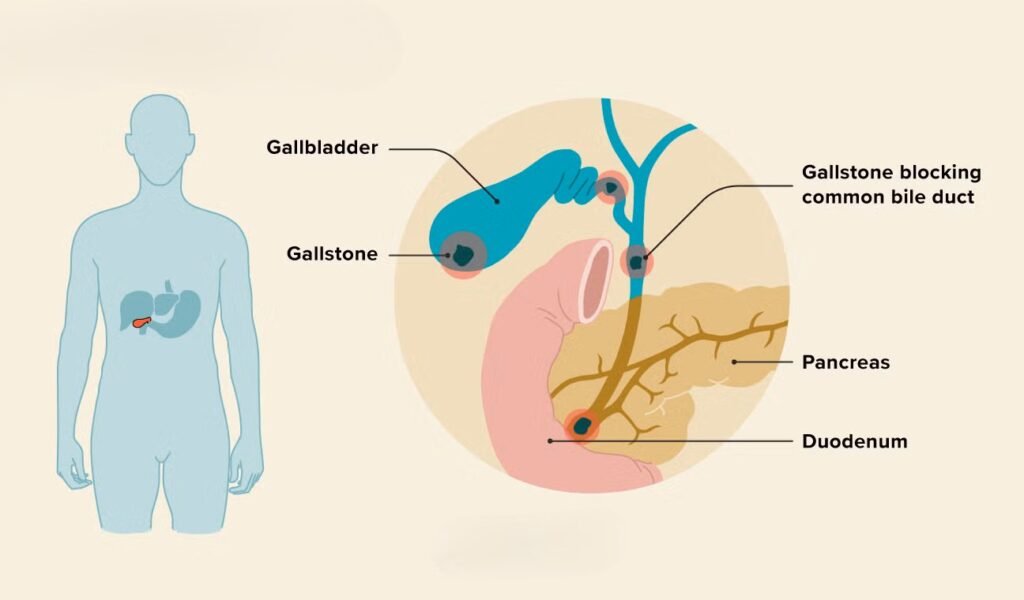
- Bile duct obstruction
- Gallstones in bile ducts
- Biliary strictures (narrowing)
- Bile duct infections
- Obstructive jaundice
- Biliary leaks
- Cholangitis
- Malignant biliary obstruction
- Pancreaticobiliary disorders
Symptoms of Biliary Tract Diseases
Patients may experience:
- Yellowing of eyes and skin (jaundice)
- Abdominal pain
- Fever and chills
- Nausea and vomiting
- Dark urine
- Pale-colored stools
- Itching
- Loss of appetite
- Fatigue and weakness
If these symptoms are present, timely medical evaluation is important.
Causes & Risk Factors
Biliary tract diseases may occur due to:
- Gallstones
- Infections
- Tumors or cancers
- Inflammation
- Previous surgeries
- Liver disease
- Pancreatic disorders
- Congenital abnormalities
Our Advanced Treatment Options
Our Advanced Treatment Options
Image-guided drainage procedures help relieve blocked bile ducts and reduce jaundice.
Biliary Stenting
Special stents are placed to open narrowed or blocked bile ducts and restore bile flow.
Percutaneous Transhepatic Cholangiography (PTC)
A minimally invasive imaging and treatment procedure used to diagnose and manage biliary obstruction.
Image-Guided Interventions
Advanced radiology-guided techniques are used for accurate and safe treatment delivery.
Management of Malignant Biliary Obstruction
Palliative and therapeutic procedures help improve bile flow and patient comfort in cancer-related blockage.
Benefits of Minimally Invasive Biliary Procedures
- No major surgery
- Faster recovery
- Reduced pain and discomfort
- Shorter hospital stay
- Precise image-guided treatment
- Lower complication risk
- Effective relief from jaundice and obstruction
Diagnosis & Evaluation
Accurate diagnosis is essential for effective treatment. We use advanced diagnostic methods such as:
- Ultrasound
- CT Scan
- MRI / MRCP
- Blood investigations
- Liver function tests
- Cholangiography
- Image-guided evaluation
Who Needs Biliary Tract Treatment?
You may require treatment if you have:
- Persistent jaundice
- Bile duct blockage
- Recurrent biliary infections
- Gallstone-related complications
- Biliary tumors or strictures
- Liver or pancreatic disease affecting bile flow
Our specialists carefully evaluate each patient to recommend personalized treatment options.
Recovery After Treatment
Recovery depends on the type and severity of the condition, but most minimally invasive biliary procedures offer:
- Faster symptom relief
- Minimal post-procedure discomfort
- Short hospital stay
- Early return to daily activities
- Regular follow-up for monitoring
Our team ensures complete care before, during, and after the procedure.
Why Choose Us?
- Experienced Interventional Radiology Specialists
- Advanced Image-Guided Procedures
- Minimally Invasive Expertise
- Personalized Treatment Plans
- Comprehensive Liver & Biliary Care
- Focus on Patient Comfort & Faster Recovery