Liver Cirrhosis and PHT
- Home
- Liver Cirrhosis and PHT
Advanced Imaging & Minimally Invasive Treatment for Lymphatic Disorders
The lymphatic system plays an important role in maintaining fluid balance and supporting the body’s immune system. Disorders affecting the lymphatic system can lead to swelling, fluid leakage, infections, and other serious complications.
At our center, we provide advanced lymphangiography and minimally invasive lymphatic interventions using state-of-the-art imaging and interventional radiology techniques for accurate diagnosis and effective treatment.
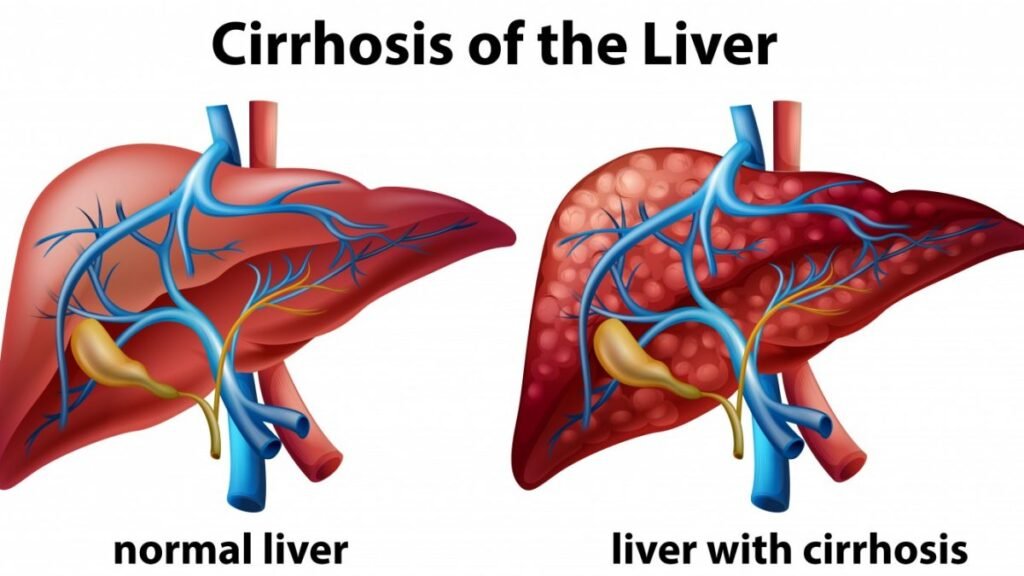
What is Liver Cirrhosis?
Liver cirrhosis occurs when long-term liver damage causes permanent scarring of liver tissue. As the disease progresses, the liver loses its ability to perform essential functions.
Cirrhosis can lead to serious complications if not treated in time.
What is Portal Hypertension (PHT)?
Portal Hypertension refers to increased pressure within the portal venous system, which carries blood from the digestive organs to the liver.
When blood flow through the liver becomes blocked due to cirrhosis, pressure builds up and causes complications such as:
- Variceal bleeding
- Ascites (fluid in abdomen)
- Enlarged spleen
- Swelling
- Liver failure
Common Symptoms of Liver Cirrhosis & PHT
- Abdominal swelling (ascites)
- Swelling in legs
- Fatigue and weakness
- Yellowing of skin and eyes (jaundice)
- Loss of appetite
- Weight loss
- Vomiting blood or black stools
- Enlarged abdomen
- Confusion or altered mental status
- Easy bruising or bleeding
Causes of Liver Cirrhosis
Common causes include:
- Chronic alcohol consumption
- Hepatitis B & C infection
- Fatty liver disease
- Autoimmune liver disease
- Metabolic disorders
- Long-standing liver inflammation
Complications of Portal Hypertension
- Esophageal or gastric variceal bleeding
- Ascites
- Recurrent fluid accumulation
- Hepatic encephalopathy
- Splenomegaly
- Kidney dysfunction
Our Advanced Treatment Options
TIPS Procedure (Transjugular Intrahepatic Portosystemic Shunt)
A minimally invasive procedure that creates a pathway inside the liver to reduce portal vein pressure and control complications such as variceal bleeding and ascites.
Variceal Embolization
Image-guided treatment to control abnormal bleeding veins caused by portal hypertension.
Ascitic Fluid Drainage
Minimally invasive drainage procedures for severe abdominal fluid accumulation.
Image-Guided Interventions
Advanced radiology-guided procedures for management of liver-related complications.
Supportive & Symptom-Based Care
Personalized treatment plans focused on improving liver-related symptoms and quality of life.
What is the TIPS Procedure?
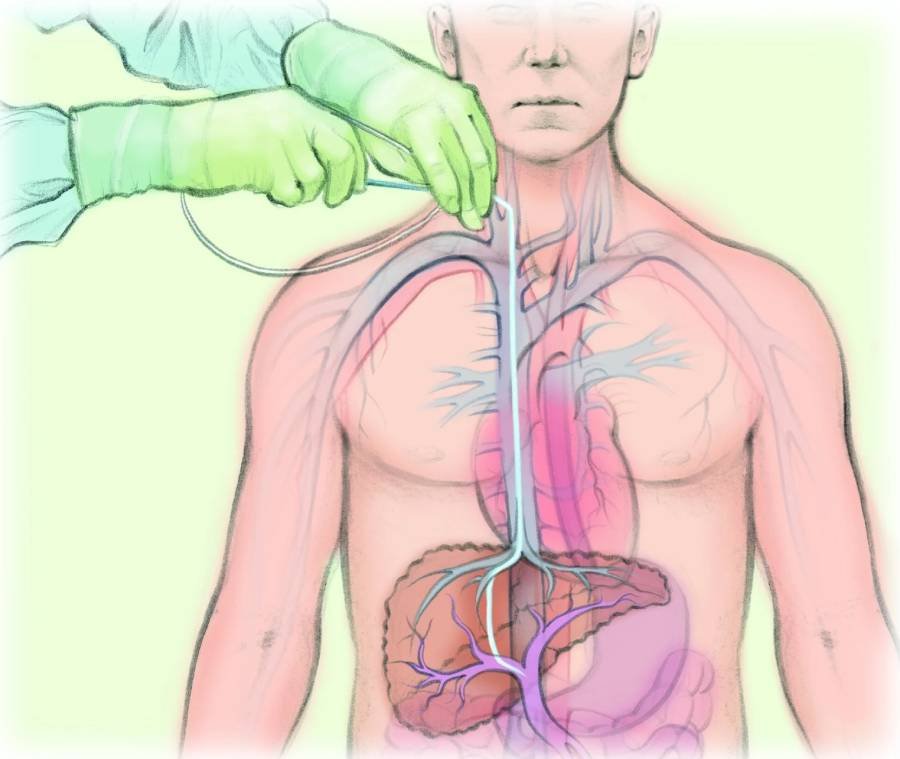
TIPS (Transjugular Intrahepatic Portosystemic Shunt) is a minimally invasive interventional radiology procedure used to lower portal vein pressure.
During the procedure:
- A small catheter is inserted through a neck vein
- A channel is created within the liver
- A stent is placed to improve blood flow
This helps reduce complications such as recurrent bleeding and fluid accumulation.
Benefits of Minimally Invasive Liver Interventions
- No major surgery
- Faster recovery
- Reduced hospital stay
- Effective control of portal hypertension complications
- Minimally invasive approach
- Improved symptom relief
- Better quality of life
Diagnostic & Imaging Evaluation
We use advanced diagnostic tools including:
- Ultrasound
- Doppler Study
- CT Scan
- MRI
- Liver function tests
- Endoscopy
- Portal venous imaging
Accurate evaluation helps guide effective treatment planning.
Recovery After Treatment
Recovery depends on the patient’s condition and procedure type, but most minimally invasive treatments offer:
- Faster symptom relief
- Shorter recovery time
- Improved fluid control
- Reduced risk of recurrent bleeding
- Close follow-up and monitoring
Why Choose Us?
- Experienced Interventional Radiology Specialists
- Advanced Liver & Portal Hypertension Management
- Minimally Invasive Expertise
- Comprehensive Diagnostic Facilities
- Personalized Patient Care
- Focus on Safety & Better Outcomes