Lymphangiography and Lymphatic Interventions
- Home
- Lymphangiography and Lymphatic Interventions
Advanced Care & Minimally Invasive Treatment for Liver Cirrhosis and Portal Hypertension
Liver cirrhosis is a serious chronic liver condition in which healthy liver tissue is gradually replaced by scar tissue, affecting the liver’s ability to function properly. One of the major complications of cirrhosis is Portal Hypertension (PHT), a condition where pressure increases in the portal vein system due to impaired blood flow through the liver.
At our center, we provide comprehensive evaluation and advanced minimally invasive interventional radiology treatments for liver cirrhosis and portal hypertension to improve symptoms, prevent complications, and enhance quality of life.
What is the Lymphatic System?
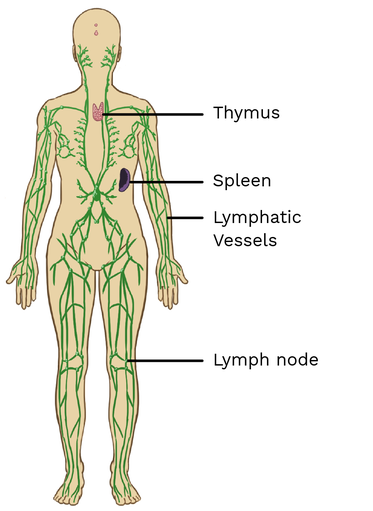
The lymphatic system is a network of lymph vessels and lymph nodes that helps remove excess fluid, waste products, and toxins from the body while supporting immune function.
Any blockage, leakage, or abnormality in the lymphatic system can result in lymphatic disorders requiring specialized treatment.
What is Lymphangiography?
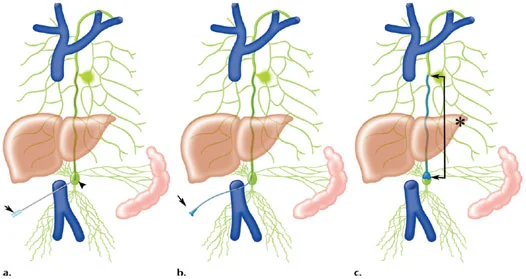
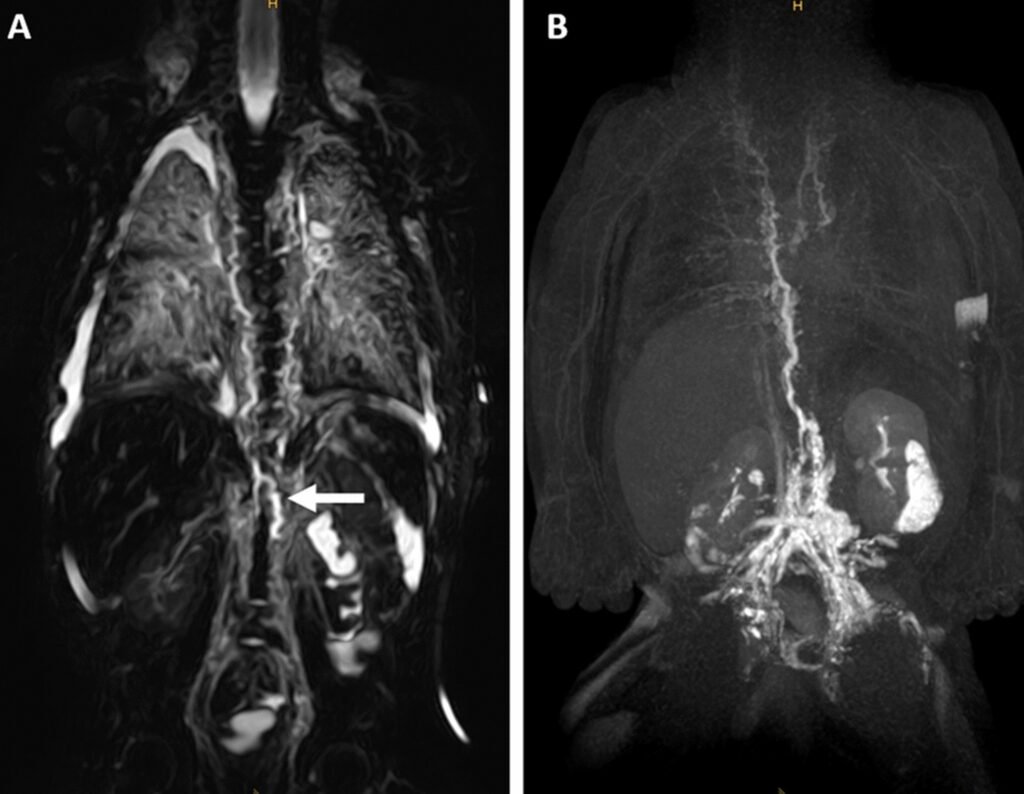
Lymphangiography is an advanced imaging procedure used to visualize the lymphatic vessels and identify abnormalities such as leaks, blockages, or malformations.
Special contrast material is injected into the lymphatic system, and imaging guidance is used to study lymph flow in detail.
This procedure helps in both diagnosis and treatment planning.
Common Conditions Treated
We diagnose and manage various lymphatic disorders, including:
- Lymphedema
- Chylothorax
- Chylous ascites
- Lymphatic leaks
- Post-surgical lymphatic complications
- Lymphatic malformations
- Persistent fluid collections
- Congenital lymphatic disorders
Symptoms of Lymphatic Disorders
Patients may experience:
- Swelling of limbs
- Persistent fluid accumulation
- Shortness of breath due to fluid collection
- Abdominal swelling
- Leakage of milky fluid
- Recurrent infections
- Heaviness or discomfort in affected areas
- Delayed healing after surgery
If these symptoms are present, early evaluation is important.
Our Lymphatic Intervention Procedures
Diagnostic Lymphangiography
Advanced imaging to identify lymphatic leaks, blockages, and abnormalities.
Lymphatic Embolization
A minimally invasive procedure used to seal abnormal lymphatic leaks and stop fluid accumulation.
Thoracic Duct Embolization
Specialized treatment for conditions such as chylothorax caused by thoracic duct leakage.
Drainage Procedures
Image-guided drainage of fluid collections associated with lymphatic disorders.
Image-Guided Interventional Procedures
Precise minimally invasive treatments performed using fluoroscopy, ultrasound, and CT guidance.
Benefits of Minimally Invasive Lymphatic Interventions
- No major surgery
- Faster recovery
- Precise targeted treatment
- Reduced pain and scarring
- Short hospital stay
- Lower complication risk
- Improved symptom control
- Faster return to daily activities
Diagnostic & Imaging Support
We use advanced imaging technologies including:
- Fluoroscopy
- Ultrasound
- CT Scan
- MRI
- Lymphangiography Imaging
These help ensure accurate diagnosis and effective treatment planning.
How are Lymphatic Procedures Performed?
Step 1 – Clinical Evaluation
The patient undergoes detailed assessment and imaging studies.
Step 2 – Contrast Injection
Special contrast dye is introduced into the lymphatic system.
Step 3 – Imaging Guidance
Advanced imaging is used to identify abnormal lymphatic channels or leaks.
Step 4 – Intervention
Embolization or drainage procedures are performed when required.
Step 5 – Recovery & Monitoring
Patients are observed briefly and provided follow-up care.
Most procedures are minimally invasive and performed with high precision.
Recovery After Treatment
Recovery after lymphatic interventions is generally quick and comfortable. Patients may experience:
- Mild temporary discomfort
- Short hospital stay
- Gradual improvement in symptoms
- Reduced fluid accumulation
- Follow-up imaging when needed
Our team provides comprehensive post-procedure support and monitoring.
Why Choose Us?
- Experienced Interventional Radiology Specialists
- Advanced Lymphatic Imaging & Treatment
- Minimally Invasive Expertise
- Personalized Patient Care
- Modern Diagnostic Technology
- Focus on Safety & Faster Recovery