
Prostatic Artery Embolization For BPH
- Home
- Prostatic Artery Embolization For BPH
Advanced Non-Surgical Treatment for Enlarged Prostate (BPH)
Benign Prostatic Hyperplasia (BPH), commonly known as enlarged prostate, is a common condition affecting men as they age. It can lead to troublesome urinary symptoms that impact daily life and sleep quality.
Prostatic Artery Embolization (PAE) is an advanced minimally invasive procedure that offers effective relief from BPH symptoms without major surgery. At our center, we provide image-guided PAE treatment performed by experienced interventional radiology specialists for safer recovery and long-term symptom improvement.
What is BPH (Enlarged Prostate)?
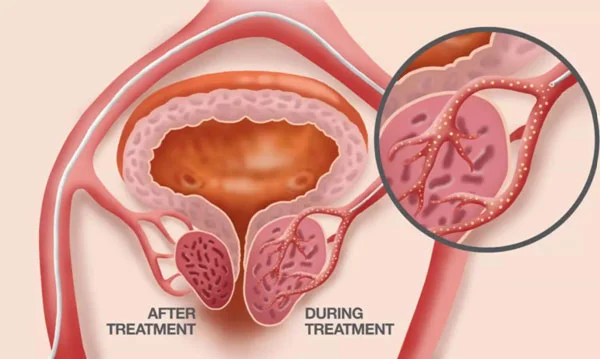
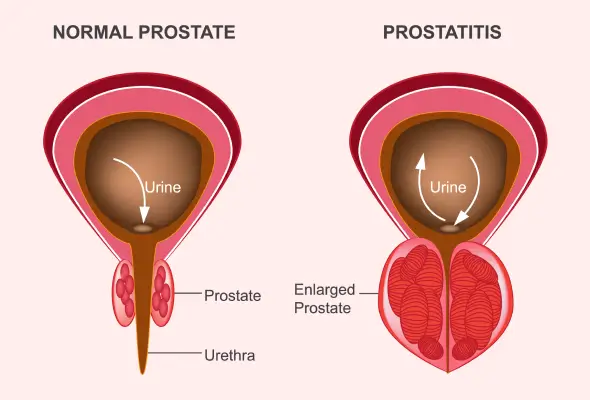
The prostate is a small gland located below the bladder in men. With age, the prostate may enlarge and press against the urethra, causing difficulty in passing urine.
BPH is a non-cancerous enlargement of the prostate and is very common in men above 50 years of age.
Common Symptoms of BPH
Patients with enlarged prostate may experience:
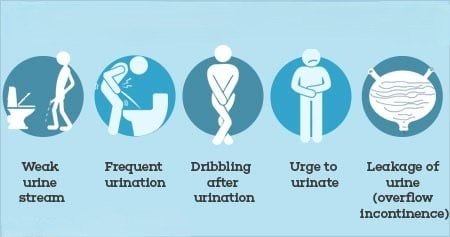
- Frequent urination
- Difficulty starting urination
- Weak urine stream
- Interrupted urine flow
- Feeling of incomplete bladder emptying
- Frequent urination at night
- Urgency to urinate
- Urinary retention in severe cases
If left untreated, BPH can affect bladder and kidney function over time.
What is Prostatic Artery Embolization (PAE)?
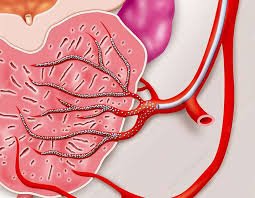
Prostatic Artery Embolization is a minimally invasive procedure used to shrink the enlarged prostate without surgery. During the procedure, a tiny catheter is inserted through a small puncture in the wrist or groin artery. Using advanced imaging guidance, microscopic particles are delivered into the blood vessels supplying the prostate. This reduces blood flow to the enlarged prostate, causing it to shrink gradually and relieve urinary symptoms.
Benefits of PAE for Enlarged Prostate
- Non-surgical treatment
- No major cuts or stitches
- Minimal pain and discomfort
- Faster recovery
- Short hospital stay
- Reduced risk of bleeding
- Preservation of sexual function in most patients
- Suitable for elderly or high-risk surgical patients
- Quick return to normal activities
Who is a Candidate for PAE?
PAE may be recommended for men who:
- Have moderate to severe BPH symptoms
- Want to avoid surgery
- Are not fit for conventional prostate surgery
- Have large prostate size
- Experience side effects from medications
- Want a minimally invasive treatment option
Our specialists carefully evaluate every patient to determine the most suitable treatment plan.
How is the PAE Procedure Performed?
Step 1 – Evaluation & Imaging
The patient undergoes clinical evaluation, ultrasound, CT/MRI, and prostate assessment.
Step 2 – Catheter Placement
A tiny catheter is inserted through the artery under local anesthesia.
Step 3 – Embolization
Special microscopic particles are injected into the prostate arteries to reduce blood supply.
Step 4 – Recovery
The catheter is removed, and the patient is monitored for a short period before discharge.
The entire procedure is image-guided and performed with high precision.
Recovery After PAE
Most patients recover quickly after the procedure. Common recovery expectations include:
- Mild pelvic discomfort for a few days
- Improvement in urinary symptoms over weeks
- Short hospital stay or same-day discharge
- Early return to routine activities
Our team provides complete post-procedure care and follow-up support.
Why Choose Us?
- Experienced Interventional Radiology Specialists
- Advanced Image-Guided Treatment
- Personalized Patient Care
- Modern Minimally Invasive Techniques
- Focus on Faster Recovery & Comfort
- Comprehensive BPH Evaluation & Management